


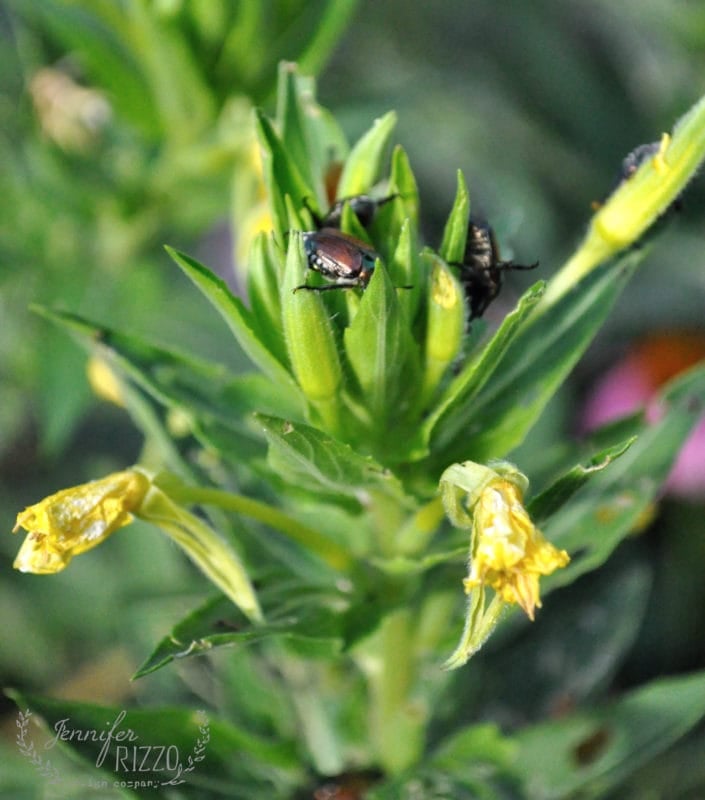
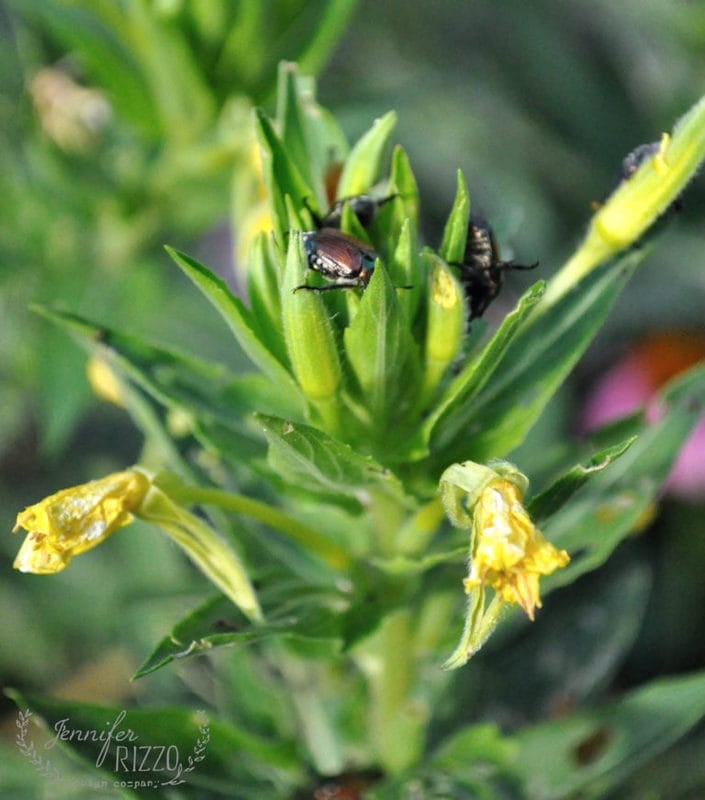
I think Japanese beetles are the bane of many gardeners existence and it’s almost that season. The pests can quickly defoliate bushes and plants and not only make them ugly, but weaken them enough to kill them by eating most of their foliage. They were brought here around 1916 on cargo from Japan where they were kept in check by natural predators to New Jersey prior to plant quarantine. They love plants that are in the rose family such as roses and raspberries. Luckily, there are a few ways to control them and lessen their impact on your garden. Most people don’t realize that the larvae are actually the white grubs that are in the lawn. They spend that time underneath the turf eating the grass roots. Eventually they become adult beetles that emerge about late June /early July to cause significant damage to certain plants in landscaping. While controlling the grub population helps minimize Japanese beetle adults, they can still come over from the neighbors lawn or from miles around for their favorite leaves.
Japanese Beetles Grubs In The Lawn
Many people know these bugs in their larval stage as grubs in their lawn. Sometimes they can be seen when digging up the japanese beetle grubs in the dirt or by brown patches in the lawn as they eat the roots of grasses. While the best control early on is by treating your lawn with either insecticides or with a natural grub control such as BT (Bacillus Thuringiensis a beneficial nemaode). However, that’s not always possible. Especially if none of your neighbors are doing it. They might be gone in your yard, but there is noting that stops them from making a visit from next door and snacking on your plants. They really love anything in the Rose family (Hibiscus, Rose of Sharon, roses, raspberries), hops, some shrubs and trees like Lindens, grapes, some herbs like Basil and fruit trees such as plums.

This lacy looking raspberry leave is how Japanese beetle damage and how they skeletonize your foliage and weaken your plants with a lacy leaf appearance.
Do Commercial Japanese Beetle Traps Work?
One thing I can tell you from my own experience on a smalls scale is that a commercial traps can help control a beetle population, use with caution, it can also end up attracting more Japanese beetles as well, so use in combination with other control methods. However, if you are managing a large area such a acreage, these could be beneficial if they are placed far far away from the crops or plants you are trying to protect. For smaller gardens, hand-picking and planting a trap crop, or plants and herbs they don’t like may be just as helpful.
What is a Trap Crop for Beetles?
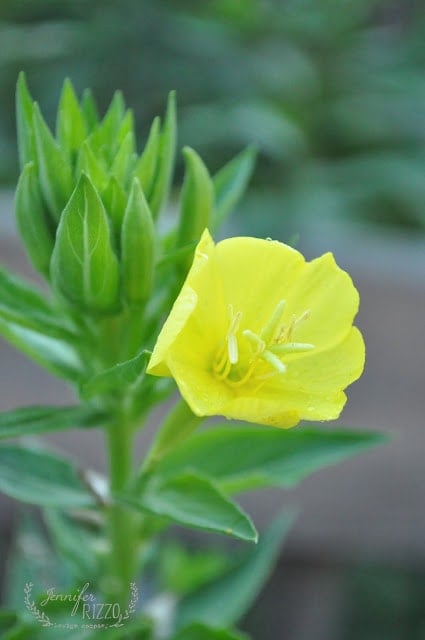
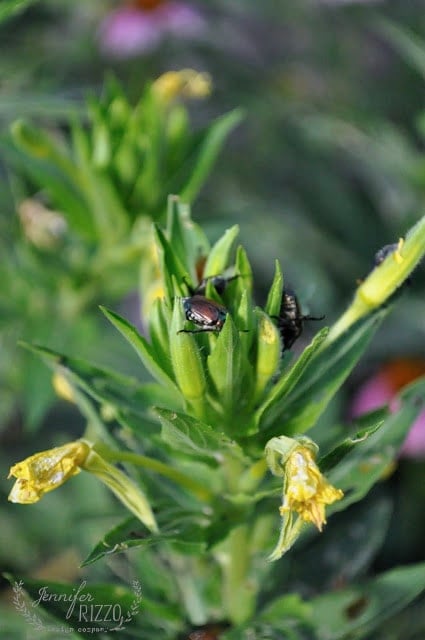
A trap crop is a plant species that the bugs love more than the plants you are trying to protect so they eat that instead. One thing I found quite by accident is one thing that Japanese Beetles love more than my Raspberries or Roses are Evening Primrose. Evening Primrose is a super common wild flower and it grows in a large part of the United States. It has very pretty yellow flowers. Butterflies,bees and birds also love it, and it readily self sows, so just pull the seedlings in the spring for control, and leave a few plants. Here in zone 6A is grows between 3 and 5 feet tall and I normally let it come up about 10 feet from the plants in question. While the beetles don’t completely leave my other plants alone, it minimizes the damage they cause. In the Fall, let them go to seed, and either pull the tall plants after the first frost, or leave them for the birds until Spring.

And the Japanese Beetles LOVE it which makes for very easy picking, and they mostly leave my other plants alone.

Is something damaging the leaves on your Viburnum? Read this post about it.
What Plants Repel Japanese Beetle Adults?
Strong scented flowers such as chrysanthemum, geranium, marigolds, petunias, begonias and herbs like chives, garlic can be inter-planted among your susceptible plants to help repel the bugs.
What Is The Best Manual Form Of Control For Japanese Beetles?
For smaller plants and vegetables like beans, row covers can be effective as a manual barrier. Hand-picking and into a bucket or container of soapy water is the next best form of control, even if you don’t have a trap crop. Since Japanese beetles males and females also emerge with the urge to mate, you will often times get two or more at a time. They aren’t very picky when it comes to that aspect of their life. According to Backyardchickens. com, if you have chickens, letting them roam in the garden and snack maybe be good control as well.

Normally a quick shake of the leaf into a mixture of water and dish soap takes care of the problem. About two tablespoons of dish soap to a cup of water is plenty to send them to a watery grave. This does need to be done daily for most of the summer after they emerge.
Japanese Beetle Resistant Plants
If they are hard to control and a huge issue, resistant variety of plants can be planted in the landscape. Magnolia, Boxwood, Lantana, Pines, and some of the flowers mentioned earlier that are supposed to repel them.
I have found that by using these tips, it is very easy to pop in my garden every few days in the early morning, and do a quick sweep with my soapy bucket. This has helped keep my plants fairly clear of Japanese Beetles and lessened the damage on my plants. For even more information than what we have covered here, this Wikipedia article on Japanese Beetles really takes a deep dive.

Want to learn more about gardening? And some of my favorite plants to grow?Click here!