

If you’re looking to buy a home in 2026, or even just curious about where the real estate action will be, I’ve got some insights for you. Based on what I’m seeing and what the pros are predicting, the fastest-growing housing markets in 2026 are primarily clustered in two key areas: the Northeast and the Sun Belt. These are the places where affordability is still a draw, or where a serious lack of homes for sale is forcing prices up and competition through the roof.
Hottest and Fastest-Growing Housing Markets in 2026
It feels like just yesterday we were navigating the wild west of the 2020-2021 housing market, and while things have definitely shifted, some trends haven’t gone away. The struggle for buyers to find a home they can afford, especially in desirable areas, is still a major story. And when you combine that with builders not quite keeping up with demand, you get a recipe for some truly competitive markets.
As an observer and lover of all things real estate, I’ve been pouring over the latest predictions from folks like Zillow and PwC, and I’ve got a solid grasp on what’s shaping up for 2026. It’s not just about one factor; it’s a mix of job growth, people moving, and yes, that persistent inventory crunch. Let’s dive into which cities are expected to be the real standouts.
The Top Contenders: Hottest of the Hot
Zillow, always on the pulse of what’s happening with homes, has put together a list that really highlights where the energy is. When they talk about “hottest,” they mean markets where homes are selling fast, not sitting around waiting for offers, and where you’re likely to see prices go up quicker than you might expect. They look at things like how fast home values are increasing, how often sellers have to drop their prices (low cuts are a good sign for sellers!), and how many homes are going for over the asking price.
Here are the markets that really caught my eye from their 2026 rankings:
- Hartford, Connecticut: This is the big one, folks. Zillow’s #1 hottest market for 2026 is Hartford. It’s not just a little bit warm; it’s projected to have the fastest pace of home value growth among major metro areas, hovering around a solid 4.6%. What does this mean for you? If you’re looking in Hartford, be ready to act fast and have your financing in order, because homes are moving quickly and often selling for more than the initial price tag.
- Buffalo, New York: Buffalo has been a steady performer, and for 2026, it’s still a major player. The deal here is simple: high demand meets a stubbornly low supply of homes. This means the market is extremely competitive for buyers. If you’ve got your sights set on Buffalo, expect to be in a bidding war or two.
- Boston, Massachusetts: Now, Boston is no stranger to being an expensive and competitive market. But what’s interesting for 2026 is that the housing inventory there is still way below what we saw before the pandemic. Even with high prices, this scarcity is what’s fueling that intense competition. It shows that even established, pricey markets can get even hotter when there just aren’t enough homes for everyone who wants one.
- Philadelphia, Pennsylvania: Philly is a bit of a unique case on this East Coast list. While Boston and New York are known for their eye-watering prices, Philadelphia offers a relative sense of affordability. This makes it a magnet for buyers who are priced out of its more expensive neighbors, driving up demand and, consequently, competition.
- San Jose & Los Angeles, California: I know, I know, California is expensive. But here’s the kicker: even with those high price tags, San Jose and Los Angeles are still showing up as some of the fastest-growing markets when you look at competition. Why? It boils down to a chronic lack of housing options. Even if you can afford it, finding that perfect home is a serious challenge, and when one hits the market, it’s snapped up quickly. This isn’t about prices skyrocketing from a low base; it’s about intense demand bumping up against a constant shortage.
Markets on the Radar: PwC’s Emerging Trends
Beyond Zillow’s “hottest” list, I also pay close attention to what seasoned industry analysts at PwC are predicting in their “Emerging Trends” reports. They often give us a feel for the broader economic forces shaping real estate, including migration patterns and where job growth is strongest. For 2026, they’re pointing to a mix of those popular Sun Belt cities and some key coastal hubs.
These are markets that have strong fundamentals and are poised for continued growth:
- Dallas/Ft. Worth, Texas: This metroplex continues to be a powerhouse. The driving forces here are strong job growth and a constant influx of people moving in. Texas has long been a magnet for businesses and individuals looking for opportunity, and the DFW area is a prime example of that success.
- Jersey City, New Jersey: Jersey City is benefiting big time from its convenient location across the Hudson River from Manhattan. It’s become a go-to alternative for people who want to live near the action of New York City but find more affordable urban living options. This spillover effect from a major economic center is a powerful growth engine.
- Miami, Florida: Miami has long been a desirable destination, and in 2026, it’s set to remain a top-tier growth market. A significant factor is the migration of wealth, with affluent individuals and families choosing to call Miami home, driving demand for high-end residential properties.
- Brooklyn, New York: While often grouped with NYC, Brooklyn stands out as a resilient market in its own right. It’s experiencing high demand for both multifamily (apartment buildings) and single-family housing. This indicates a broad appeal across different housing types and buyer needs.
- Houston, Texas: Following the trend of its Texas counterpart, Houston also shows high growth potential. Its strength lies in a diverse economy that can weather various economic conditions, coupled with a continued sense of relative affordability compared to other major coastal cities.
What About Prices? A Look at the Bigger Picture
Now, it’s important to weave in a bit of nuance. While these specific markets are set to be incredibly hot with significant home value growth, J.P. Morgan Global Research is forecasting something a little different for the national U.S. housing market overall in 2026. They’re predicting a period of price stagnation, with national house prices potentially seeing 0% growth.
How can this be? It’s all about the balance of supply and demand. For the past few years, demand has been way outstripping the number of homes available. But as those faster-growing markets mentioned above are seeing increased construction (even if it’s not enough to fully satisfy demand), and as more homes get listed, the overall national market might start to stabilize.
However, and this is crucial, don’t mistake national price stagnation for a lack of competition in those “hottest” markets. Cities like Hartford, where inventory remains severely constrained, will still feel the pressure. Expect those classic signs of a heated market to continue: “bidding wars,” quick sales, and homes going above asking price. The national picture often smooths out the extremes, but the localized intensity in places with low inventory will remain very real.
My Take: Why These Markets Are Booming
From my perspective, it’s fascinating to see the Northeast and the Sun Belt continue to dominate the growth conversation. For years, the narrative has been about people flocking to warmer climates and lower taxes in the South and West. And that’s still happening, as evidenced by the continued strength of Texas and Florida.
But what’s really interesting is the resurgence of some Northeast cities. For a long time, they were seen as expensive and perhaps a bit stagnant compared to their Sun Belt counterparts. What’s changed? A few things:
- The “Return to Office” (or Hybrid) Effect: While remote work is here to stay for many, there’s also a renewed appreciation for in-person collaboration and networking. Cities with established industries and strong job markets, even if they’re pricey, are holding onto talent and attracting new opportunities.
- Affordability Gap Relative to Other Coastal Hubs: As I mentioned with Philadelphia, these Northeast cities, while not cheap, are becoming more attractive when you compare their housing costs and cost of living to places like New York City or Boston. This makes them a viable alternative for a wider range of buyers.
- Undersupply: This is the persistent culprit. Many of these cities simply haven’t built enough new housing to keep up with demand, whether it’s from an aging population looking to downsize or younger families looking for starter homes. When demand outstrips supply, prices and competition are the natural outcomes.
I also believe that the focus on “hottest” markets isn’t just about year-over-year price appreciation. It’s about the health of the market – how quickly homes are transacting, how many buyers are active, and how dynamic the local economy is. The markets I’ve outlined are demonstrating these signs of robust activity.
For buyers, this means being prepared, doing your homework on local market conditions, and being ready to move when you find the right property. For sellers, it means you’re likely in a strong negotiating position in these areas.
It’s an exciting time in real estate, and while national trends might suggest a pause, the localized fire in these specific housing markets is set to make 2026 a dynamic year.
🏡 Two High‑Yield turnkey Rentals For Investors
Bessemer, AL
🏠 Property: Blue Jay Cir
🛏️ Beds/Baths: 4 Bed • 2 Bath • 1583 sqft
💰 Price: $280,000 | Rent: $1,900
📊 Cap Rate: 6.4% | NOI: $1,486
📅 Year Built: 2025
📐 Price/Sq Ft: $177
🏙️ Neighborhood: A-
Fort Wayne, IN
🏠 Property: Cinema Crossing
🛏️ Beds/Baths: 6 Bed • 5 Bath • 3012 sqft
💰 Price: $500,000 | Rent: $4,200
📊 Cap Rate: 7.0% | NOI: $2,920
📅 Year Built: 2026
📐 Price/Sq Ft: $167
🏙️ Neighborhood: B-
Alabama’s newer A‑rated rental vs Indiana’s large 6‑bed property with higher NOI. Which fits YOUR investment strategy?
We have much more inventory available than what you see on our website – Let us know about your requirement.
📈 Choose Your Winner & Contact Us Today!
Speak to a Norada Investment Counselor (No Obligation):
(800) 611-3060
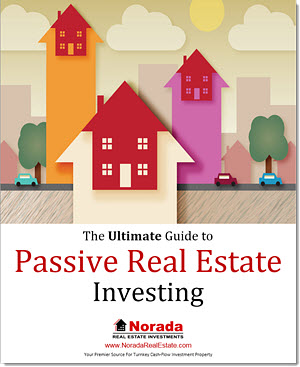
Download Your FREE Guide to Passive Real Estate Wealth
Real estate investing has created more millionaires than any other path—and this guide shows you how to start or scale with turnkey rental properties.
Inside, you’ll learn how to analyze cash flow and returns, choose the best markets, and secure income-generating deals—perfect for building long-term wealth with minimal hassle.
🔥 FREE DOWNLOAD AVAILABLE NOW! 🔥
Want Stronger Returns? Invest Where the Housing Market’s Growing
Turnkey rental properties in fast-growing housing markets offer a powerful way to generate passive income with minimal hassle.
Work with Norada Real Estate to find stable, cash-flowing markets beyond the bubble zones—so you can build wealth without the risks of ultra-competitive areas.
🔥 HOT NEW LISTINGS JUST ADDED! 🔥
Speak to a Norada Investment Counselor today (No Obligation):
(800) 611-3060