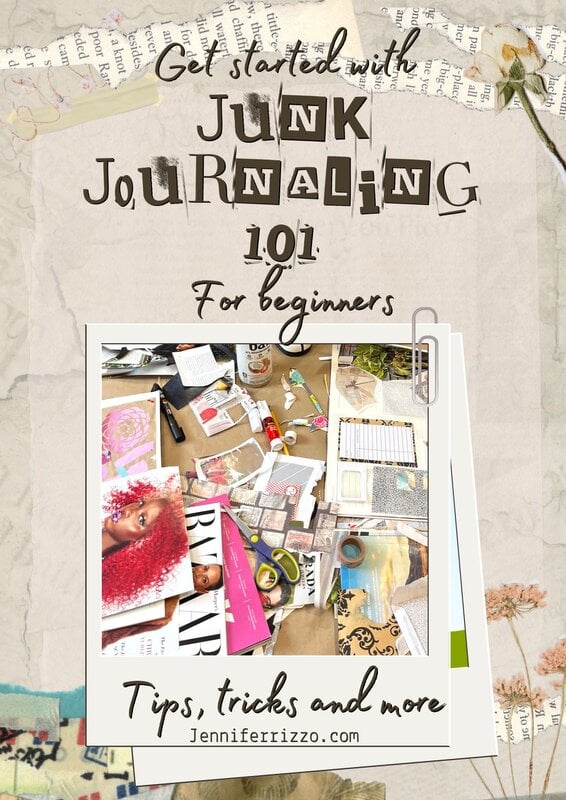



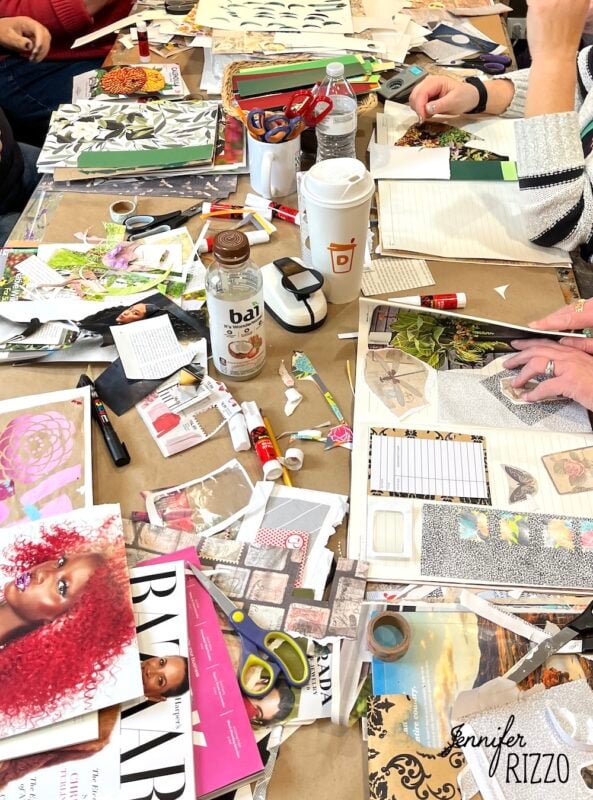
Junk Journaling has been a fast growing trend for creativity. Not only is junk journaling an inexpensive way to express creativity because it uses gathered and recycled materials, but is much looser than traditional scrapbooking, art journaling or journaling to document memories. While there aren’t any hard and fast rules with creating a junk journal, there are some guidelines you can follow if you want direction and are a newbie. Junk journaling is more about the process of collaging the “junk” items than creating the result. That’s where many people have a hard time wrapping their brain around it. It’s less about getting to the end result of having a completed journal and more about having the flexibility of just hands on creating the journal. Think of it as less than scrapbooking. it’s actually hinges on chaos journaling.
What is Junk Journaling?
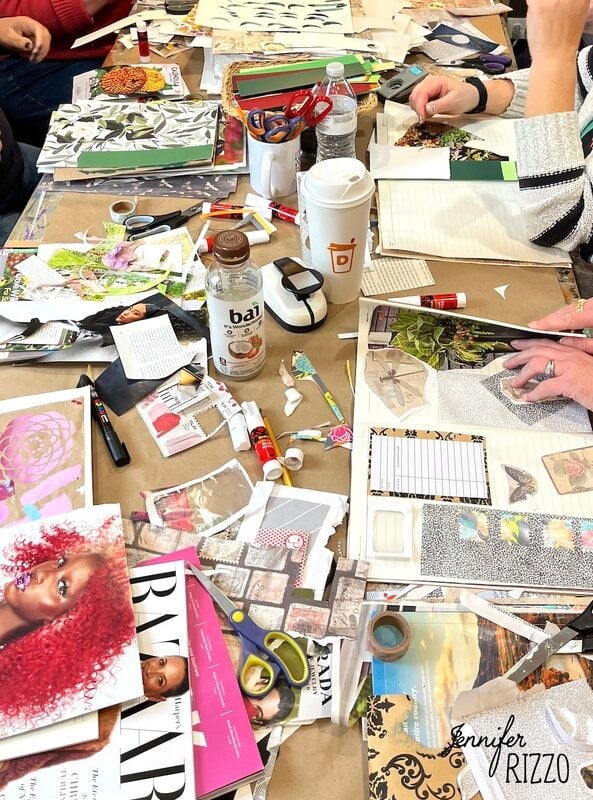
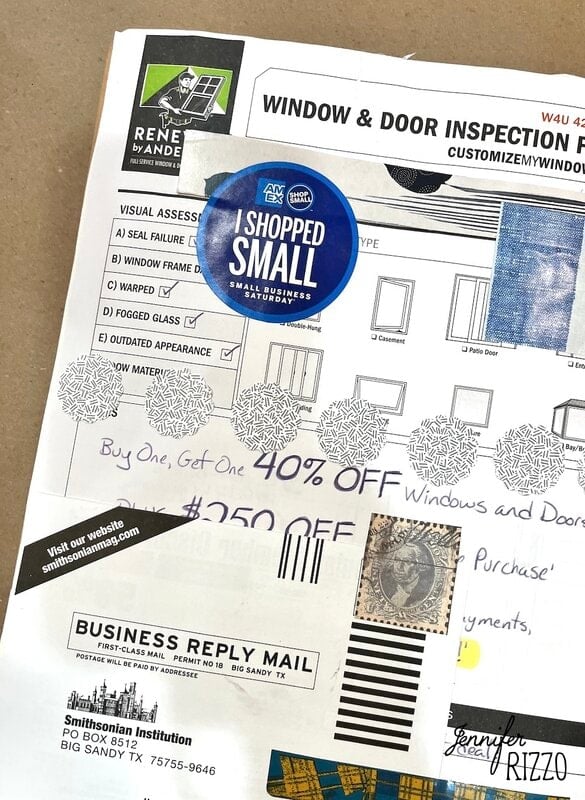
Junk journaling is exactly what it sounds like! It’s using found things and items like wrappers, printed napkins, box labels, fruit stickers, old papers, vintage ephemera, stickers and more to create collage layouts in a notebook or handmade journal. Junk journaling is more about the actual collage aspect than creating something with direct purpose.
What Materials Does Junk Journaling Need?
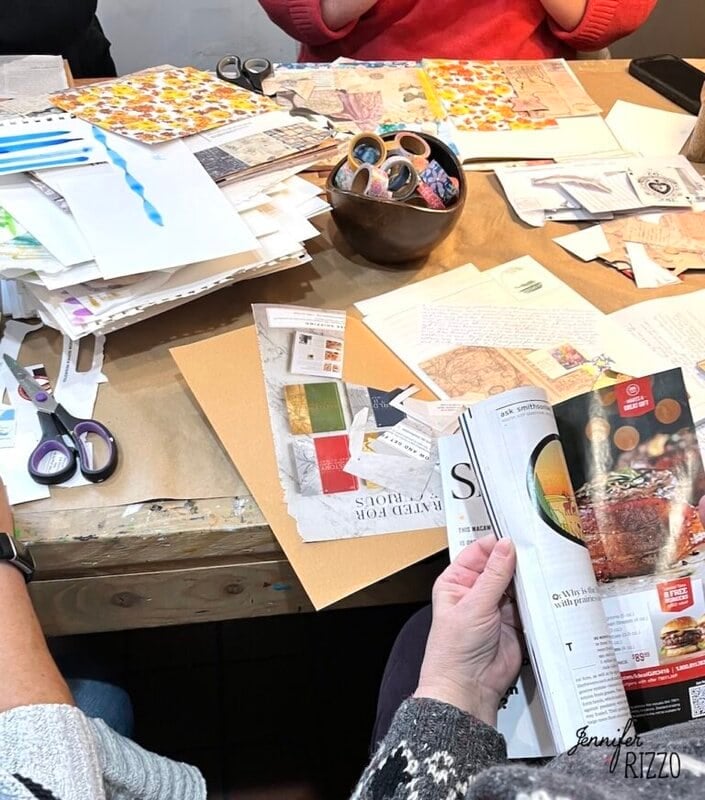
While people can go all in and create their own junk journals from scratch from cereal boxes, it’s easiest to start with an inexpensive pre-made journal or notebook. It doesn’t have to be fancy at all, but you can also use scrapbook paper, wrapping paper, and more as a beginning back drop. You’ll also want a good quality glue like Scotch Brand glue sticks,tacky white craft glue, scissors and lots of paper junk!
What Else Can I Add To A Junk Journal?
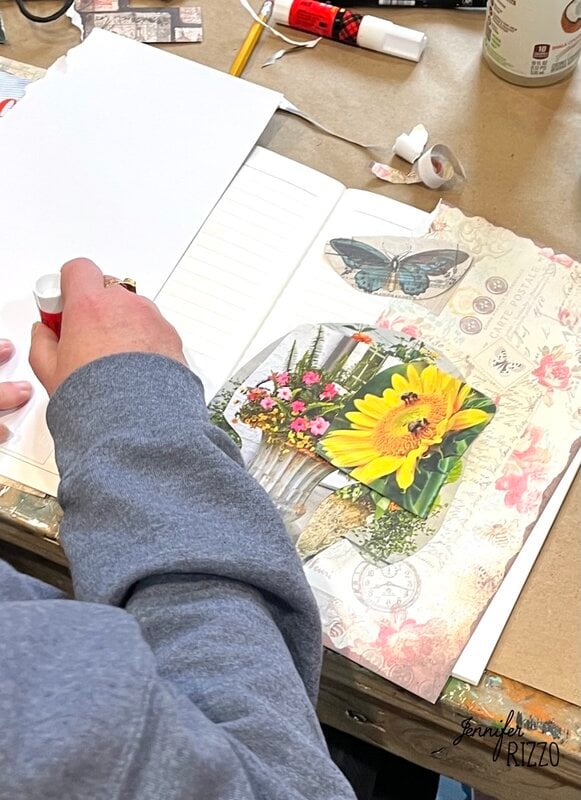
You can add all kinds of things beyond paper scraps! You can paint with acrylic paint, fabric, lace, old book pages, food packaging, paper bags and packaging, ribbons, ink, postcards, old photos and more. You can also use items like glassine bags, old envelopes and small bags to create pockets to put fun things in! If you have old scrapbooking materials feel free to add those in as well! You can also add tabs to each page and section if you want to keep it a little more organized.
Where Can I Find Junk Journal Materials/Fodder?
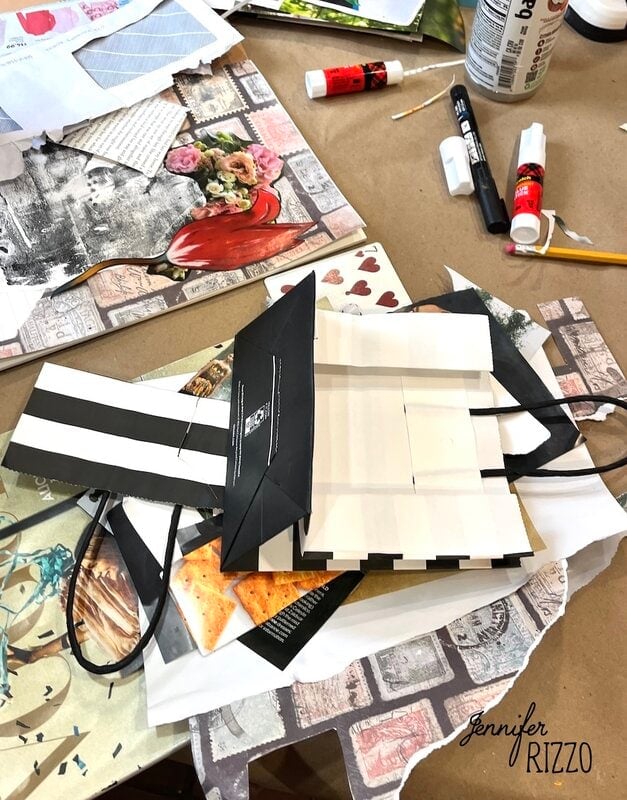
Collage materials are called “Fodder”. Yes, Like animal feed. Materials are easy to find. Start at home and see what you have on hand with packaging, boxes and more. Then ask for magazines in Buy Nothing groups. You can also visit thrift stores for old books, papers, stamps, stickers, stationary and more. Many people like to pick up branded napkins from places they’ve visited,disposable coffee cup sleeves, mailers, empty seed packets and even fruit stickers. If you do make art on paper, keep all of those scrap pages!

I Feel Stuck, How Do I Start?
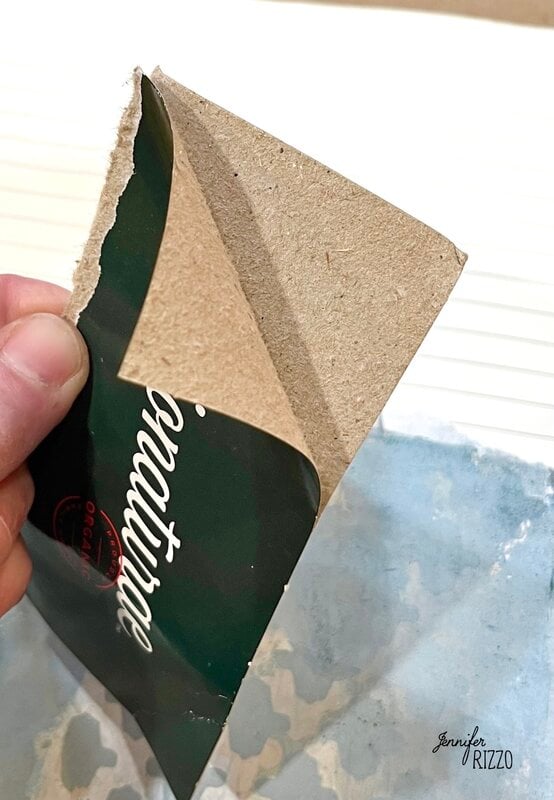
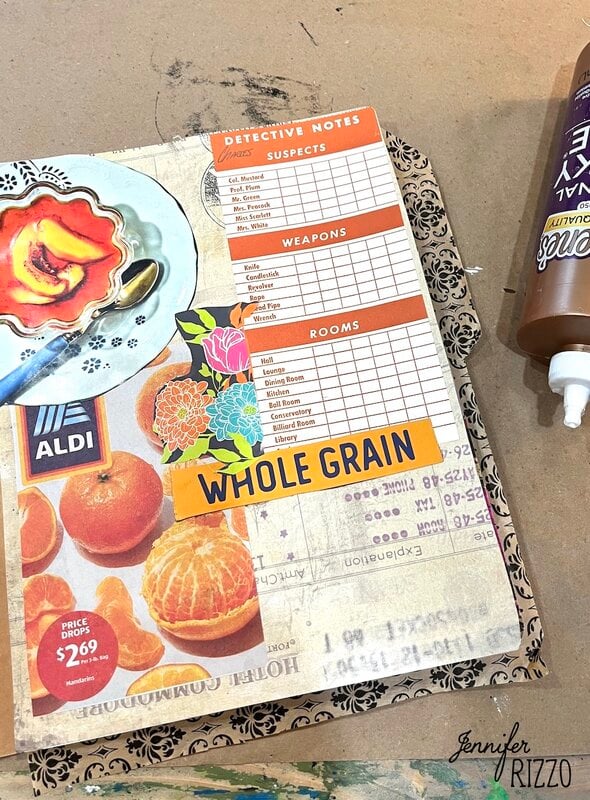
In my Junk Journaling Workshops, I recommend starting by gathering paper junk… labels, stickers, paper wrappings, magazine pages, old newspapers etc. Pick 3 things you would like to put together on a page (I like to glue down a large paper item as the backing: scrapbook paper, cardstock, old wallpaper to give a stiffer surface to glue on.). Then arrange them how you like that they look, and glue them together. From there you can just add to it and create layers by over lapping items. When using thicker packaging, peel the front off of the cardboard backing so it’s not as bulky.
Do Junk Journaling Pages Need Themes?
They can have themes, or you can just put things together that you like! If everything is orange color- do that. If You’ve gathered items from a coffee shop, make a coffee page. None of the pages need to have rhymes or reasons with each other and each one is allowed to stand alone.
Can I Write In My Junk Journal?
Some people find junk journaling very therapeutic and like to write thoughts , ideas and narrative along with their collaging! This is something of your creation and the rules are up to you. Many junk journals like felt tip pens or markers, but you can use any medium you like!
What Do I Do With A Junk Journal When I Am Done With It?
When you are done with a Junk Journal, You can keep it to look through, put it away to a later date, or even toss it. The whole point is in the creative expression of making it. If storing it, it may end up pretty bulky, so use a ribbon or string to tie around the outside to keep the pages closed.
What’s The Best Way To Get Started?
Get that inexpensive journal, a glue stick, and scissors and start cleaning out your drawers! Take a few hours, go analog and start cutting, gluing a pasting! You can always join us for a junk journaling workshop in the studio!